Choosing vinyl flooring can be quite challenging due to the wide variety of products available. Flooring that looks great in a large living room may feel too dark or busy in a small bedroom or narrow hallway. When selecting vinyl flooring, you have numerous options regarding colors, patterns, and installation methods.
The good thing is that vinyl can work in many parts of a home. The key is choosing a style that fits the room, your daily use, and the conditions of the space.
Vinyl Flooring Ideas for Small Rooms
Small rooms don’t necessarily need complicated flooring designs. In many cases, a lighter color and simple pattern can make the floor feel less visually heavy.
Light oak, beige, and other natural shades can work well in bedrooms, small living rooms, and hallways. If you’re using plank-style flooring, running the planks along the longer dimension of the room can also change how the space looks.
For a small room, avoid choosing a pattern that competes with everything else in the space. If the walls, furniture, and flooring all have strong patterns, the room can quickly feel crowded. with everything else in the space. If the walls, furniture, and flooring all have strong patterns, the room can quickly feel crowded.
Choose the Right Plank Direction
The direction of the planks can affect the appearance of a room.
For example, in a narrow room, installing planks along the length can emphasize the longer lines of the space. However, the best direction also depends on the room layout, entrances, windows, and the manufacturer’s installation requirements.
There isn’t one direction that works for every room, so consider the complete layout before installation.
Vinyl Flooring Ideas for Large Rooms
Large rooms give you more flexibility. Wider planks can create a clean appearance and reduce the number of visible seams across a large floor.
Medium wood tones can add warmth to an open living area, while lighter colors can keep a large space feeling bright. If your home has an open floor plan, using the same flooring across connected areas can create a more consistent appearance.
Don’t forget about furniture. A very similar color between the floor and furniture can make everything blend together. A little contrast can help individual areas stand out.
Choosing Vinyl Flooring for the Kitchen
Kitchen floors have to deal with spills, food particles, regular cleaning, and foot traffic. That’s why appearance shouldn’t be the only consideration.
Look at the product’s cleaning instructions, durability information, and moisture-related specifications before purchasing. A sample can also help you see whether the color works with your cabinets and countertops.
For a busy kitchen, a flooring style that doesn’t show every small mark can also be easier to live with.
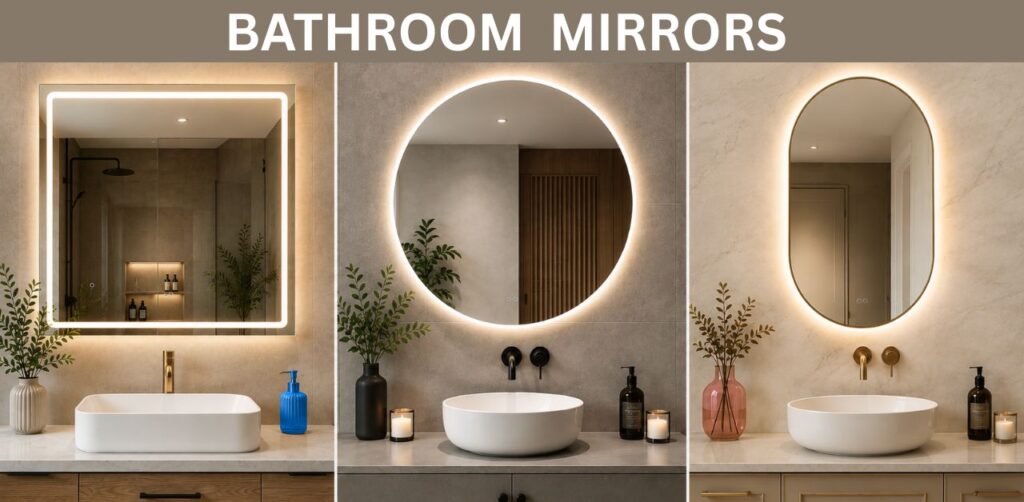
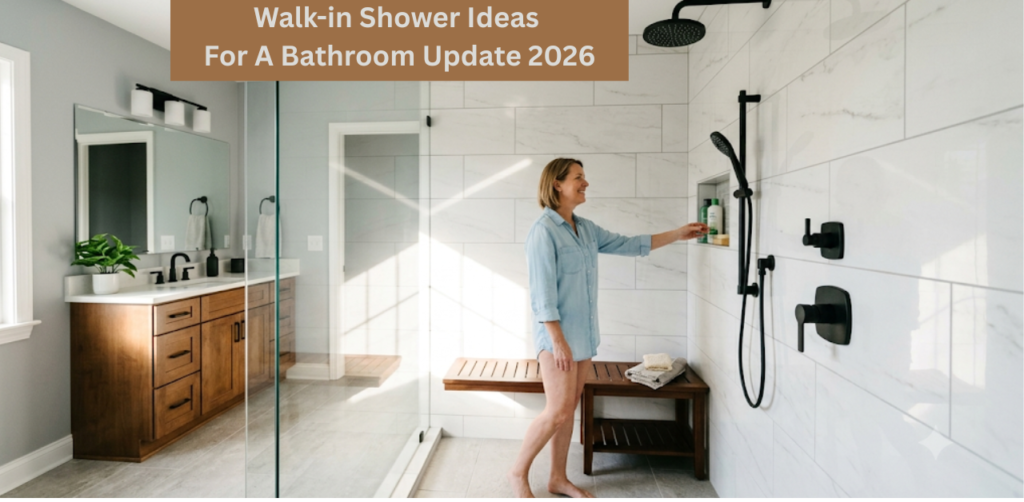
Is Vinyl Flooring Suitable for a Bathroom?
Vinyl can be used in some Bathroom Applications, but you should not assume that every vinyl product is suitable for every bathroom.
Moisture can affect flooring and the materials underneath it. Check the manufacturer’s installation instructions and water-resistance information before choosing a product.
Pay particular attention to the installation details around areas where water is commonly present.
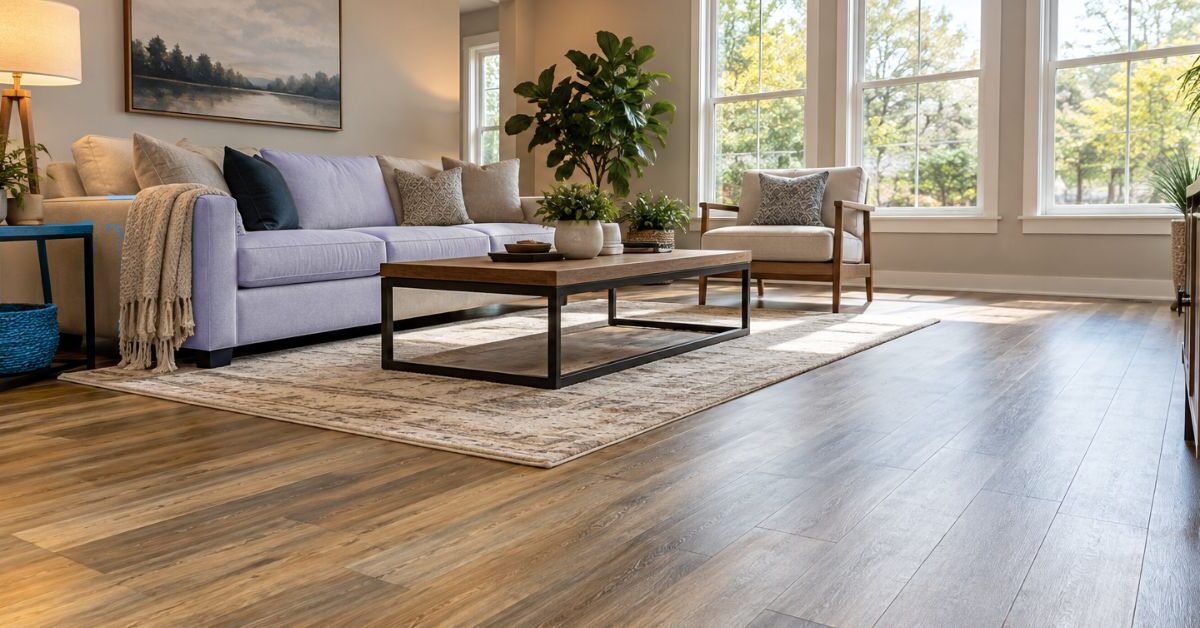
Vinyl Flooring for Living Rooms
The living room is usually one of the most visible areas of a home, so appearance often matters as much as everyday durability.
Wood-look vinyl is a popular style because it can provide a familiar hardwood appearance in different shades. Light colors can create a brighter look, while medium and darker tones can give the room a warmer appearance.
Think about your existing furniture before choosing a color. Bringing home a flooring sample and looking at it during both daylight and evening lighting can prevent surprises after installation.
Vinyl Flooring for Bedrooms
Bedrooms usually have less foot traffic than kitchens or entryways, so design may play a larger role in the decision.
A light natural wood appearance can create a simple, bright look. Warmer tones can make the room feel more traditional and comfortable.
If you’re replacing flooring throughout the house, using a consistent color between the bedroom and nearby rooms can also make the home feel more connected.
Main Types of Vinyl Flooring
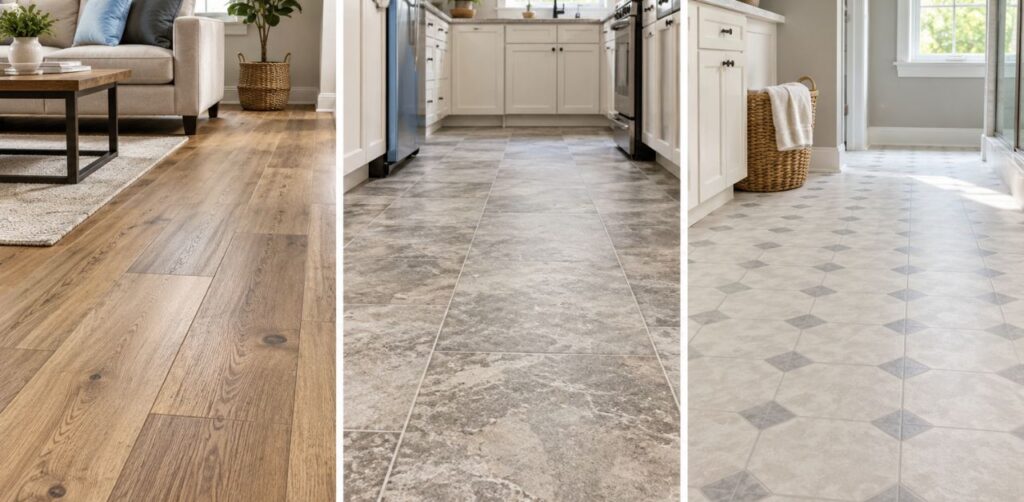
Luxury Vinyl Flooring
Luxury vinyl flooring is available in two types: Luxury Vinyl Plank (LVP) and Luxury Vinyl Tile (LVT).
LVP usually has a wood-style appearance, while LVT often looks like stone or ceramic tile. Some products also have textured surfaces that add more detail to the design.
Click-lock versions connect together to create a floating floor. Other types are installed with adhesive.
Sheet Vinyl Flooring
Sheet vinyl flooring comes in large rolls instead of separate planks. This can reduce the number of seams in a room.
It can be useful in kitchens, bathrooms, and laundry areas. Installation requires accurate measuring and cutting, especially around cabinets, doors, and fixtures.
For an irregular room, professional installation may be easier than trying to fit a large sheet yourself.
Waterproof Vinyl Flooring
Waterproof vinyl flooring is designed so the flooring material can handle water exposure without absorbing moisture like some wood-based products.
It can be useful for bathrooms, kitchens, laundry rooms, and some basements.
Keep in mind that waterproof flooring does not make the entire room waterproof.
Lifeproof Vinyl Flooring
Lifeproof vinyl flooring is a flooring line sold through The Home Depot. It includes different vinyl plank options for residential spaces.
If you are considering Lifeproof, compare the specifications of the exact product. Look at the wear layer, installation method, approved locations, warranty, and subfloor requirements rather than relying only on the brand name.
Pros and Cons of Vinyl Flooring
Pros
- Available in a wide range of styles
- Easy to clean
- Moisture-resistant
- Available at various price points
Cons
- May need replacement if severely damaged
- Some low-cost products lack durability
- Requires sub-floor preparation
- Can be damaged by sharp objects
FAQs
Is vinyl Flooring waterproof?
Waterproofing depends on the specific product; therefore, please check the details to ensure you choose the right one.
Can vinyl flooring be used in the bathroom?
There are products specifically designed for bathrooms; therefore, choose flooring made for bathrooms when making your purchase.
Conclusion
Vinyl flooring is a popular choice for renovations in busy American households. Therefore, before purchasing, consider factors such as durability, moisture resistance, installation, maintenance, and your budget. Read up on installation tips and avoid common mistakes